Post

NIKŠIĆ DELEGATION AT THE OPENING CEREMONY OF THE EUROPEAN CAPITAL OF CULTURE OULU 2026

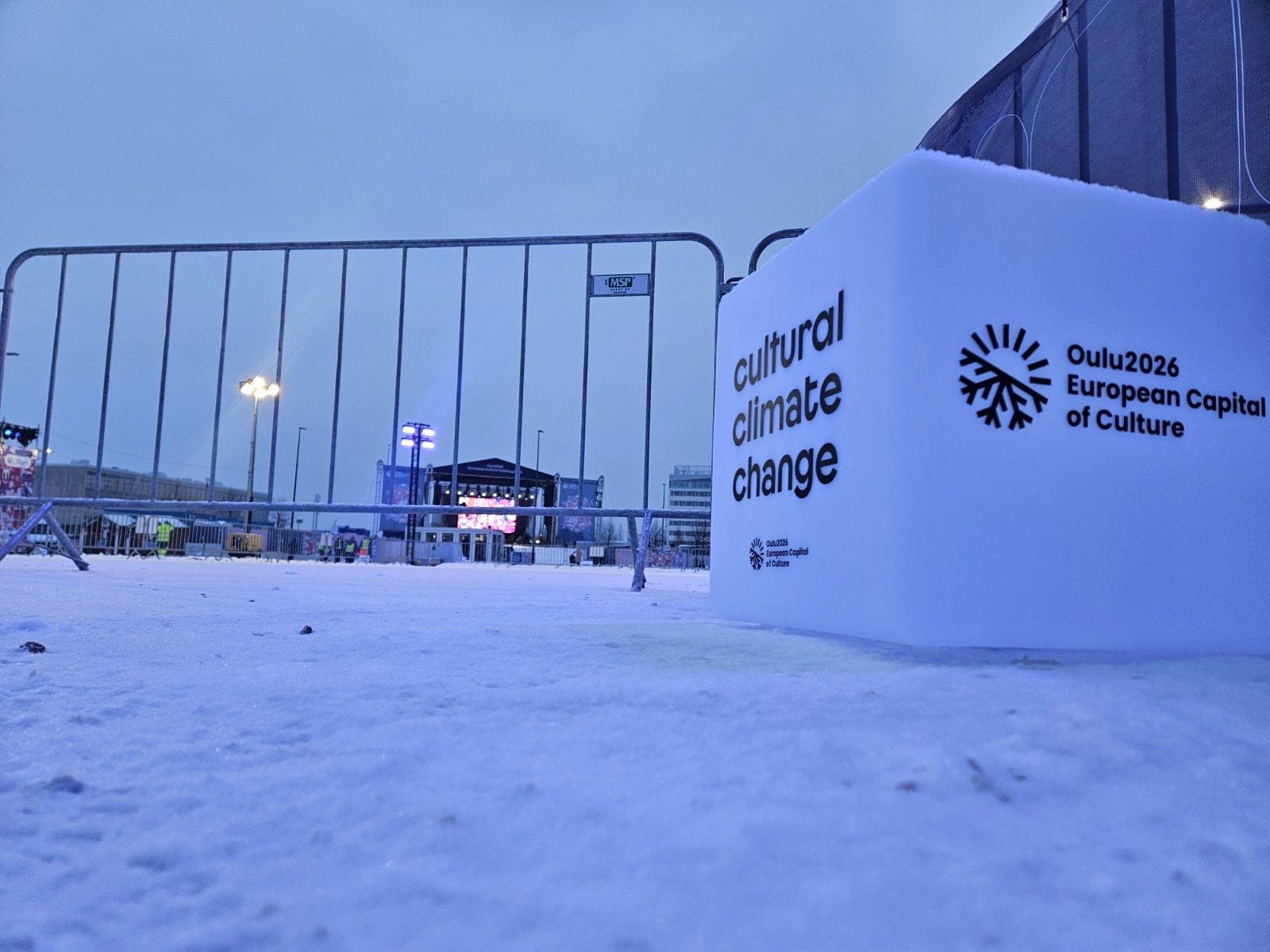
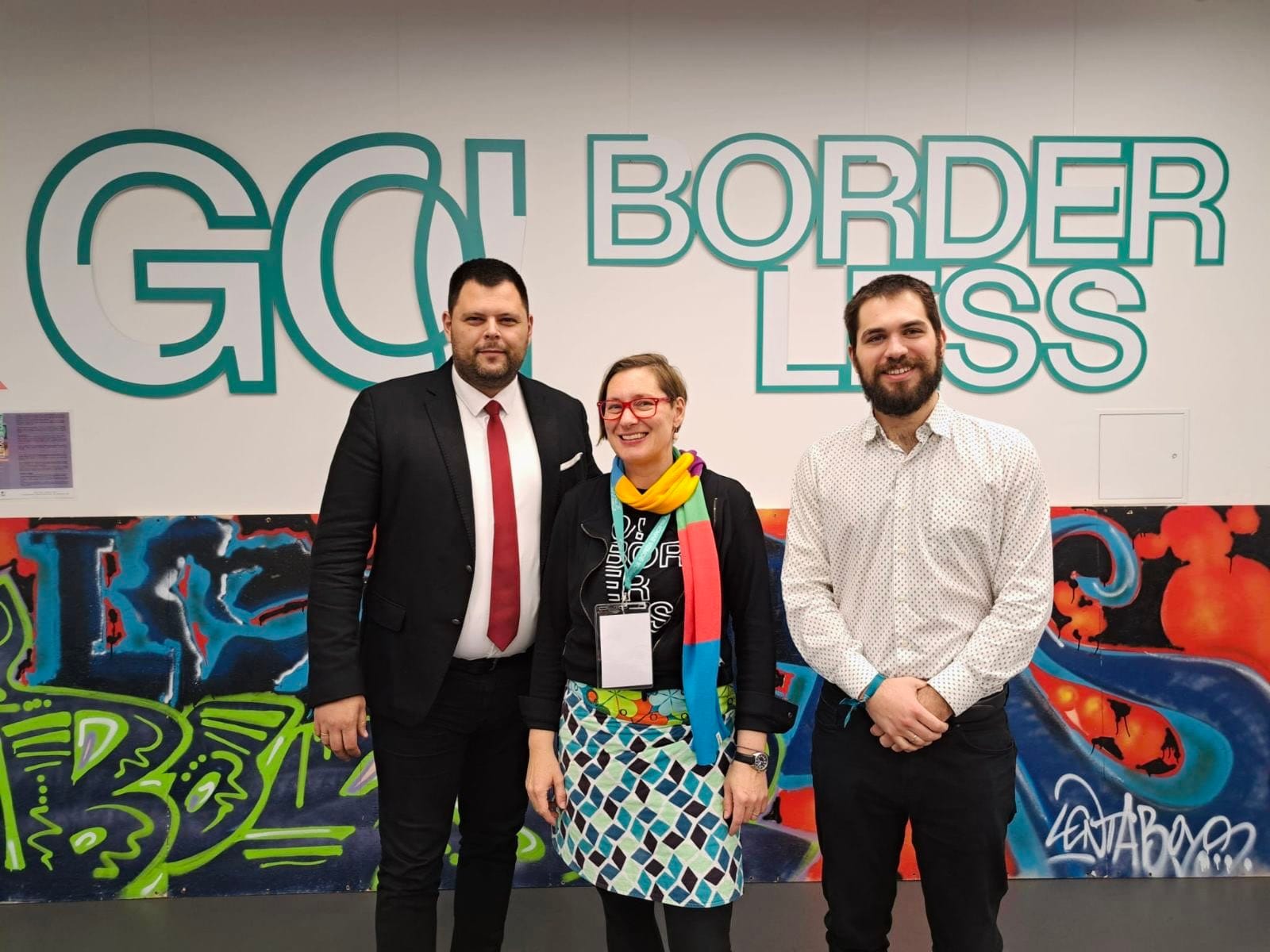
The project manager of Nikšić 2030 – European Capital of Culture, Mato Uljarević, and the manager of the Nikšić 2030 office, Nemanja Popović, attended the three-day Opening Ceremony of the European Capital of Culture Oulu 2026, during which this Finnish city officially launched the program of one of Europe’s most significant cultural initiatives.    As part of the official program, the Nikšić delegation met with Pia Ahrenkilde Hansen, Director-General of the Directorate-General for Education, Culture, Youth and Sport of the European Commission, as well as with numerous European officials and representatives of cities and cultural institutions across Europe, including past and current European Capitals of Culture. These meetings contributed to the exchange of experiences, the strengthening of international cultural cooperation, and further positioning of Nikšić within the European cultural space. The city of Oulu, located in northern Finland, holds the prestigious title of European Capital of Culture for 2026, with a program entitled “Culture Climate Change”, which connects art with contemporary social and environmental challenges, promoting a rich and sustainable cultural scene in northern Europe.    The opening ceremony on the city square was officially inaugurated by the President of Finland, Alexander Stubb, during which the “Oulu Peace” declaration was proclaimed, calling for tolerance, creativity, and the shared celebration of diversity through artistic and technological projects throughout 2026. The opening program included more than 200 events at over 20 locations in the city center, featuring music, theatre, and visual performances, art installations, light and acrobatic shows, most of which were free and open to all visitors.   This marks the first time that the Nikšić delegation has attended the opening ceremony of a European Capital of Culture as a representative of a title-holding city.

QUIZ FOR HIGH SCHOOL STUDENTS HELD AT FREEDOM SQUARE: “YOUTH AND THE EUROPEAN CAPITAL OF CULTURE”

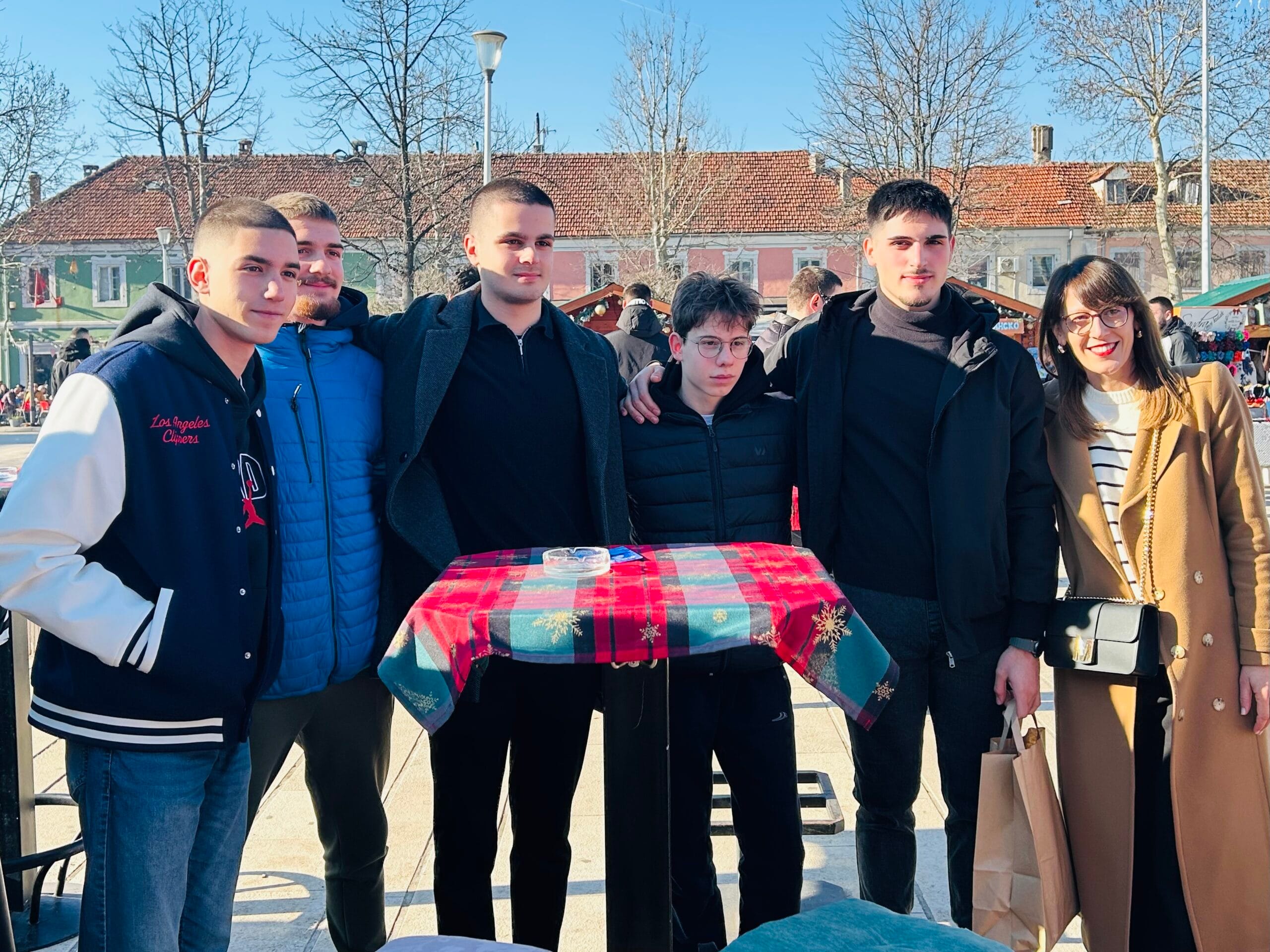
Today, an educational and entertaining quiz for high school students, titled Youth and the European Capital of Culture, was held at Freedom Square. The event gathered a large number of young people who, through team competition, had the opportunity to test their knowledge of the European cultural scene and learn more about the role of youth in contemporary cultural trends and European Capital of Culture projects.    The quiz questions were structured into three competitive rounds: the first round focused on general knowledge, the second on EU integration and European values, and the third on the topic of the European Capital of Culture.    Students from four high schools participated: Gymnasium “Stojan Cerović,” Secondary Economic and Hospitality School,  First Secondary Vocational School, and Secondary Vocational School. Competitors demonstrated a remarkable level of knowledge, creativity, and team spirit, while the atmosphere at Freedom Square was dynamic and full of positive energy. In the quiz finale, after a series of interesting and closely contested questions, the victory went to the team from  Secondary Vocational School Nikšić, showing the highest level of knowledge and teamwork on the topic Youth and the European Capital of Culture. The winner was determined by a final associative game, similar to the popular word-guessing game, in which one team member, wearing headphones and unable to see the word, tries to guess it based on explanations from their teammates.    It was emphasized that the quiz’s goal was to further motivate young people to actively participate in the cultural life of their community and recognize their role in European cultural initiatives. The event attracted great interest from passersby and demonstrated that such activities have significant educational and social potential. The quiz once again confirmed that young people have the knowledge, ideas, and desire to be active contributors to the European cultural story.

First edition of “ECoC over Coffee” held in Nikšić

The first edition of the ECoC over Coffee programme was held in the festive atmosphere of Freedom Square in Nikšić, as part of the project Nikšić – European Capital of Culture 2030. The event brought together citizens, representatives of the cultural sector, and the interested public, with the aim of opening a dialogue on important social issues through informal conversation.   The guest of the meeting was Blagoje Šturanović, and the discussion focused on the topic of inclusion within the ECoC process, with particular emphasis on culture as a space of equal opportunities. Šturanović emphasized that the European Capital of Culture should not be a project intended for a narrow circle of people, but rather an open and accessible process in which all citizens can find their place. During the conversation, it was highlighted that inclusion implies the active involvement of diverse social groups, respect for different needs, and the creation of cultural content that is accessible to everyone. Šturanović reminded participants that culture has the power to connect the community, reduce social barriers, and foster a sense of belonging, and that through the ECoC process Nikšić has the opportunity to permanently embed these values into its cultural development.   It was also noted that such gatherings contribute to the exchange of ideas and the strengthening of trust, as well as to a better understanding of the goals of ECoC 2030. The ECoC over Coffee programme once again confirmed the importance of informal meeting formats that enable open discussion and direct communication, creating space for joint reflection on the future of Nikšić as a city of culture, dialogue, and equal opportunities.

DELEGATION OF NIKŠIĆ AT THE CLOSING CEREMONY OF THE EUROPEAN CAPITAL OF CULTURE NOVA GORICA–GORIZIA 2025

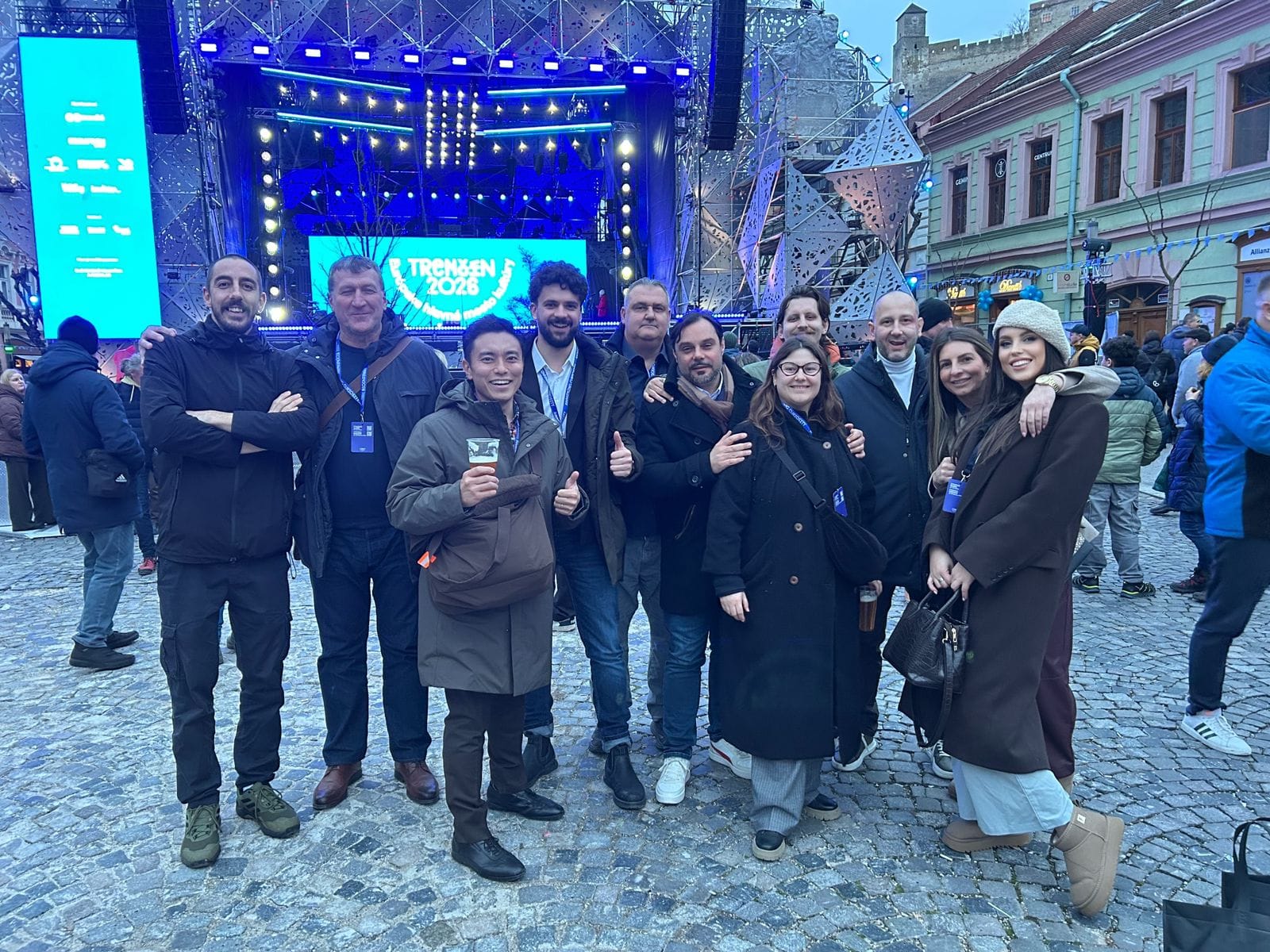
The delegation of Nikšić spent the past few days in Slovenia, attending the official closing ceremony of the European Capital of Culture Nova Gorica–Gorizia 2025. Representing Nikšić, the European Capital of Culture for 2030, the ceremony was attended by the President of the Municipality of Nikšić, Marko Kovačević, and the project manager of Nikšić 2030 ECoC, Mato Uljarević.   The Nikšić delegation attended the formal handover ceremony, during which the outgoing European Capitals of Culture—Nova Gorica–Gorizia 2025 and Chemnitz 2025—symbolically passed the title to Trenčín and Oulu, the cities that will hold the ECoC title in 2026. Afterwards, the delegation also attended the official final celebration marking the end of the ECoC year in Nova Gorica. During their visit, the delegation met with the mayors of Nova Gorica and Chemnitz, as well as with the working teams from Trenčín and Oulu, exchanging experiences and practices that will be valuable for the development of the Nikšić ECoC 2030 project.  Accompanied by Mojca Stubelj, Director of XCenter, the representatives of Nikšić visited this modern hub for innovation and digital arts, which remains one of the lasting legacies of the European Capital of Culture project in Nova Gorica. The visit to XCenter was an opportunity to learn about work models, programs, and technological solutions that will serve as inspiration for future activities in Nikšić. Participation in events of this kind significantly contributes to strengthening international cooperation, the exchange of knowledge, and the gaining of new experiences. The contacts established during this visit represent an important step in the further preparation and implementation of the Nikšić 2030 European Capital of Culture project.

Nikšić marked International volunteer day

On the occasion of International Volunteer Day, December 5, a series of activities dedicated to promoting volunteerism and engaging citizens in socially beneficial activities was held in Nikšić. The event began at the Informative-Educational Center with a roundtable titled The Role of Volunteerism in Community Development, where Aljoša Matović, representative of the Nikšić ECoC 2030 Office, spoke about the importance of volunteerism for the realization of the project Nikšić – European Capital of Culture 2030. Following the discussion, a Volunteer Fair was organized at Freedom Square, where citizens had the opportunity to learn about volunteer activities and get involved with local organizations. As part of the fair, a gift collection drive was held for children from disadvantaged families, along with an educational game, Don’t Get Angry, Man, in which high school students participated through a quiz on volunteerism and cultural topics. At the Nikšić – European Capital of Culture 2030 stand, citizens could obtain detailed information about the project itself, planned events, and ways to join the volunteer network, thereby contributing to community development. This day demonstrated the importance of volunteerism in strengthening the community and actively involving young people in the city’s cultural and social life. Through initiatives like this, Nikšić reaffirms its commitment to building an inclusive and engaged society, making volunteerism a cornerstone of local community development.

KOVAČEVIĆ AND ULJAREVIĆ MEET WITH ACADEMICIAN AND ARCHITECT MARKO MUŠIČ

The Mayor of the Municipality of Nikšić, Marko Kovačević, and the project manager of Nikšić 2030 – European Capital of Culture, Mato Uljarević, met yesterday in Ljubljana with academician and architect Marko Mušič, at the premises of the Slovenian Academy of Sciences and Arts (SAZU). Mušič, the author of the original architectural design of the “Dom revolucije” (House of the Revolution) in Nikšić, was briefed on the current plans for the reconstruction of this monumental building, which is set to become one of the city’s key cultural centers and a focal point of the European Capital of Culture 2030 program. During the meeting, the discussion focused on models for revitalizing the building, phases of construction work, and spatial solutions that would transform the House of the Revolution into a modern Center for Digital Arts, featuring a contemporary art gallery, a multifunctional hall, creative hubs, and other facilities that will provide the city with a completely new cultural identity. It was emphasized that, for the first time in nearly 50 years since construction began, the issue of this unfinished complex will finally be resolved, giving it a purpose aligned with contemporary cultural practices. The representatives of the Municipality of Nikšić invited Academician Mušič to visit Nikšić in the near future to initiate more concrete cooperation and consultations as part of the preparations for the implementation of the ECoC 2030 project. This marks an important step toward defining the future appearance of the House of the Revolution, which will be among the most significant projects in Nikšić during the city’s preparation for the European Capital of Culture 2030 title.

REPRESENTATIVES OF LIVE VIEW STUDIO VISIT NIKŠIĆ: MAPPING CULTURAL HERITAGE FOR DIGITAL PRESENTATION OF HISTORICAL SITES

Representatives of Live View Studio – Marko Todorović, Marko Savić, and Đorđe Vranješ – visited Nikšić yesterday as part of activities involving the detailed mapping of the city’s cultural heritage, aimed at creating modern digital presentations of historical sites.   During their stay in Nikšić, the Live View Studio team visited the House of the Digital Revolution and Innovation and Entrepreneurship Center Tehnopolis, after which they toured several significant cultural and historical landmarks. As part of their visit to the Public Institution “Museums and Galleries” of Nikšić, they discussed possibilities for digitizing museum collections and contemporary approaches to presenting cultural heritage. The team also visited the Cathedral of Saint Basil of Ostrog, the Church of the Holy Apostles Peter and Paul, Bedem Fortress, Carev Bridge, Roman Bridge, and the monument under Trebjesa. The purpose of their visit was to collect field data, photographs, and video material necessary for the accurate digital presentation of cultural and historical sites. Live View Studio has been working for years on digital archiving, visual representation of sites, and modern methods of preserving cultural heritage. As part of the visit, a presentation on the digital presentation of historical sites was held last night at King Nikola’s Castle. At the very beginning of the presentation, the Mayor of Nikšić, Marko Kovačević, addressed the attendees, emphasizing the importance of developing VR technologies and digital methods for presenting cultural heritage, particularly in the context of preparing Nikšić for the European Capital of Culture 2030. He highlighted that modern digital tools enable innovative, more accessible, and globally visible presentations of the city’s historical sites and cultural identity. During the presentation, the representatives of Live View Studio introduced the audience to the technologies they use, the possibilities of virtual tours, and the benefits of the digital transformation of cultural heritage. This visit is particularly significant as it contributes to enhancing cultural visibility and the modern presentation of Nikšić on its path toward becoming the European Capital of Culture 2030.

Nikšić delegation at the closing ceremony of the European capital of Culture Chemnitz 2025

The Nikšić delegation attended the closing ceremony of the European Capital of Culture Chemnitz 2025 over the past three days. This German city, located in Saxony, has been in the spotlight of the European cultural scene throughout 2025, presenting itself under the slogan “C the Unseen,” which highlights the discovery of hidden and less visible values of community, culture, and industrial heritage. On behalf of Nikšić, the European Capital of Culture for 2030, the closing ceremony was attended by Outreach Manager Aljoša Matović and International Cooperation Manager Lucija Strunjaš.    The main celebration took place at the Museum of Industry, and representatives of the Nikšić ECoC 2030 Office also participated in the European Mining Parade and the Maker Advent—workshops bringing together innovators, artisans, and creatives. This was followed by an official reception hosted by Chemnitz Mayor Sven Schulze, who welcomed representatives of European cities and thanked partners from across Europe for their contributions and participation during the ECoC year. The closing program concluded with a large open-air party in the city center, in front of the famous Karl Marx Monument, where citizens, artists, and international guests gathered. Nikšić’s participation in such events represents a significant contribution to strengthening international cooperation and networking with European Capitals of Culture, which is one of the key objectives of the Nikšić ECoC 2030 program. Host cities traditionally invite all members of the “ECoC family”, giving Nikšić the opportunity to establish contacts and exchange experiences with numerous European partners who have held or will hold the prestigious title of European Capital of Culture.

Panel discussion at PIN conference – From Bid book to real life

At the opening of the PIN Conference in Skopje, a panel discussion titled “From Bid Book to Real Life” was held, focusing on the challenges and practices involved in implementing the European Capital of Culture title. Participants included representatives from cities that have already undergone the ECoC process, such as Novi Sad and Veszprém, as well as future host cities, Nikšić and Skopje.   On behalf of the Nikšić 2030 – European Capital of Culture and UNESCO City of Music project, Mato Uljarević spoke at the panel. Other participants included Balázs Weyer (Veszprém-Balaton 2023 ECoC / UNESCO City of Music), Sara Vuletić (Novi Sad 2022 ECoC / UNESCO City of Media Arts), Lena Ingwersen (Music Cities Network), and Violeta Simjanovska (Sibelius Academy). The panelists focused on key steps that enable cities to transform the ECoC title into tangible and sustainable change. The PIN Conference is one of the most significant music conferences and showcase festivals in the region, serving as a key platform for connecting European music professionals, sharing knowledge, and developing the cultural and creative sectors in the Balkans. This year’s edition brought together over 400 participants from across Europe and featured 55 musical showcase performances over three days.   The conference provided an important opportunity to promote Nikšić as a regional music destination, in the context of its UNESCO City of Music designation and the 2030 European Capital of Culture project.

Former director of Maribor ECoC 2012 Suzana Zilic Fiser visits Niksic

The President of the Municipality of Nikšić, Marko Kovačević, hosted a reception for Suzana Žilič Fišer, a longtime member of the European Commission’s Panel of Experts and former director of the Maribor Institute — European Capital of Culture 2012.   President Kovačević emphasized the importance of the fact that Ms. Žilič Fišer comes from Slovenia, a country with which Nikšić enjoys excellent cooperation — through investments, projects, and now cultural exchange as well. He noted that her experience will be of great value to Nikšić in successfully implementing the European Capital of Culture project, with full support from local institutions.    Ms. Žilič Fišer first congratulated Nikšić on winning the title of European Capital of Culture for 2030, expressing her great pleasure at being able to share her experience and contribute to this important project. She stressed that the European Capital of Culture is not only a project of one city, but of the entire country. As a member of the Panel of Experts, she took part in the selection process for more than 20 European Capitals of Culture and in the monitoring of over 120 candidate cities. The ceremonial reception was attended by the Head of the President’s Office, Marko Perućica, Project Manager of the Nikšić — European Capital of Culture 2030 Office, Mato Uljarević, and the Office’s Operations Manager, Nemanja Popović.    During the visit, Ms. Žilič Fišer toured the House of Digital Revolution and IPC Technopolis, where she delivered a lecture titled “What the ECoC Title Brings to a City.” She spoke about how a city prepares for its ECoC year, the most important criteria and challenges, the benefits and changes the process can bring to the community, as well as lessons from Maribor and other ECoC examples that may be particularly useful today. After the lecture, Ms. Žilič Fišer and representatives of the Nikšić ECoC 2030 Office visited the Faculty of Philosophy and Philology, where they met with the Dean of the Faculty of Philosophy, Dr. Tatjana Novović, Assistant Professor Dr. Nataša Krivokapić, and Professor Dr. Dijana Vučković. The meeting focused on potential cooperation between the Faculty of Philosophy and Philology and the University of Maribor, primarily in the fields of cultural policy, education, and international exchange of students and professors.    The visit of Ms. Suzana Žilič Fišer further strengthened the belief that Nikšić has exceptional potential to significantly enhance its cultural identity, urban development, and international visibility through the European Capital of Culture 2030 title. Her experience and recommendations represent an important incentive for further cooperation, planning, and community engagement, marking another step toward Nikšić becoming a European cultural center.

Scroll to Top