

Representatives of Live View Studio – Marko Todorović, Marko Savić, and Đorđe Vranješ – visited Nikšić yesterday as part of activities involving the detailed mapping of the city’s cultural heritage, aimed at creating modern digital presentations of historical sites.
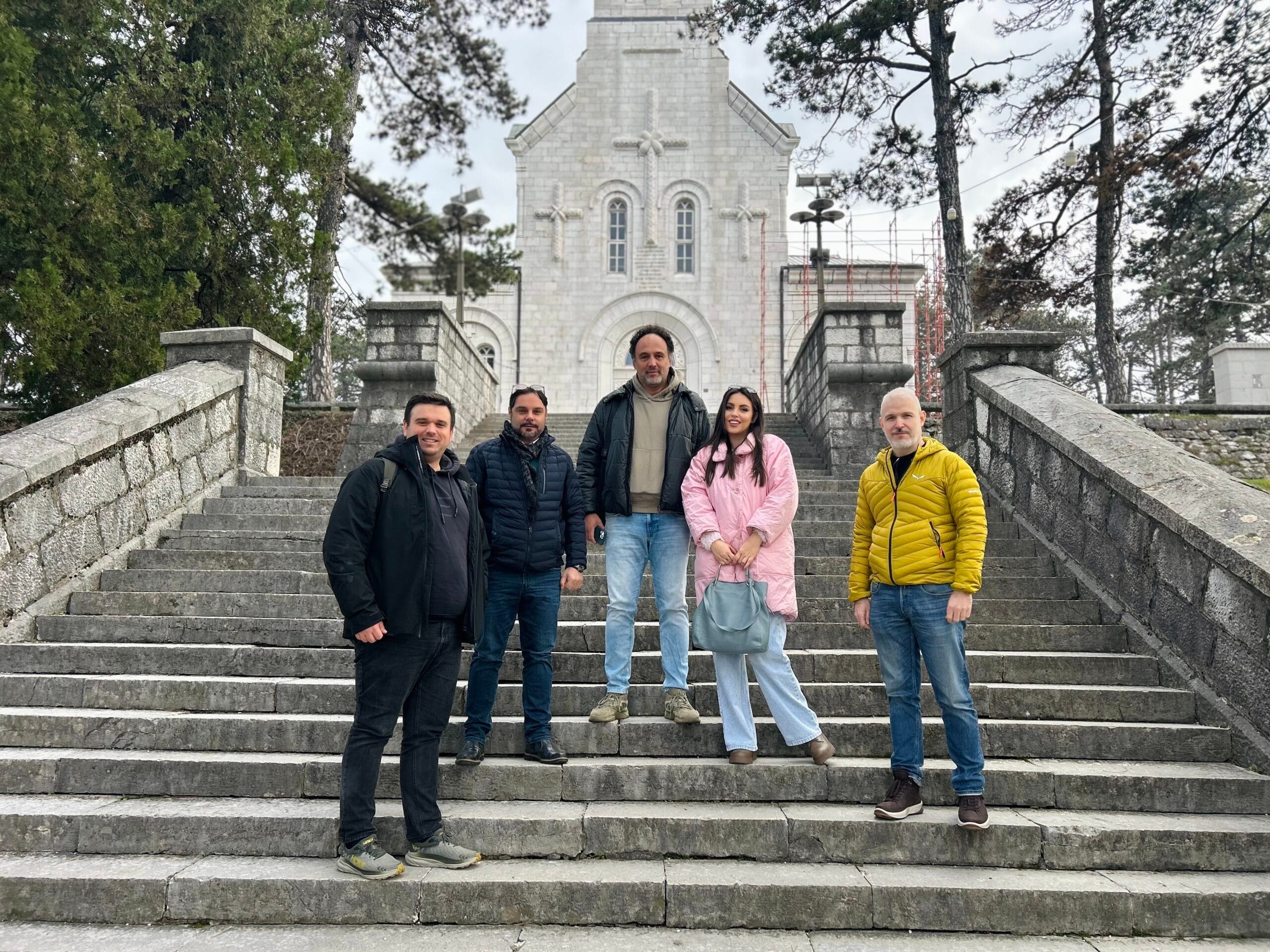
During their stay in Nikšić, the Live View Studio team visited the House of the Digital Revolution and Innovation and Entrepreneurship Center Tehnopolis, after which they toured several significant cultural and historical landmarks. As part of their visit to the Public Institution “Museums and Galleries” of Nikšić, they discussed possibilities for digitizing museum collections and contemporary approaches to presenting cultural heritage. The team also visited the Cathedral of Saint Basil of Ostrog, the Church of the Holy Apostles Peter and Paul, Bedem Fortress, Carev Bridge, Roman Bridge, and the monument under Trebjesa. The purpose of their visit was to collect field data, photographs, and video material necessary for the accurate digital presentation of cultural and historical sites. Live View Studio has been working for years on digital archiving, visual representation of sites, and modern methods of preserving cultural heritage.
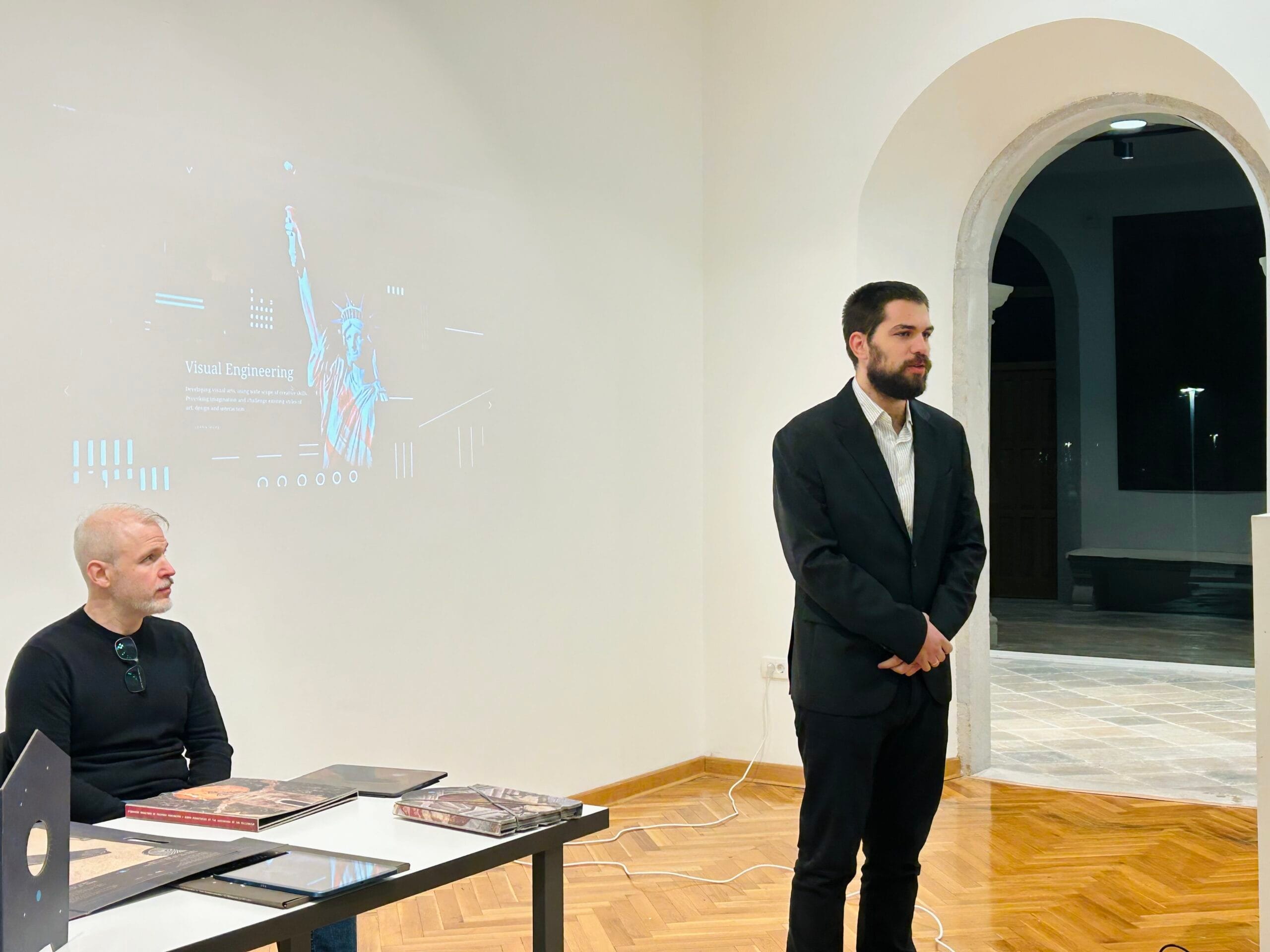
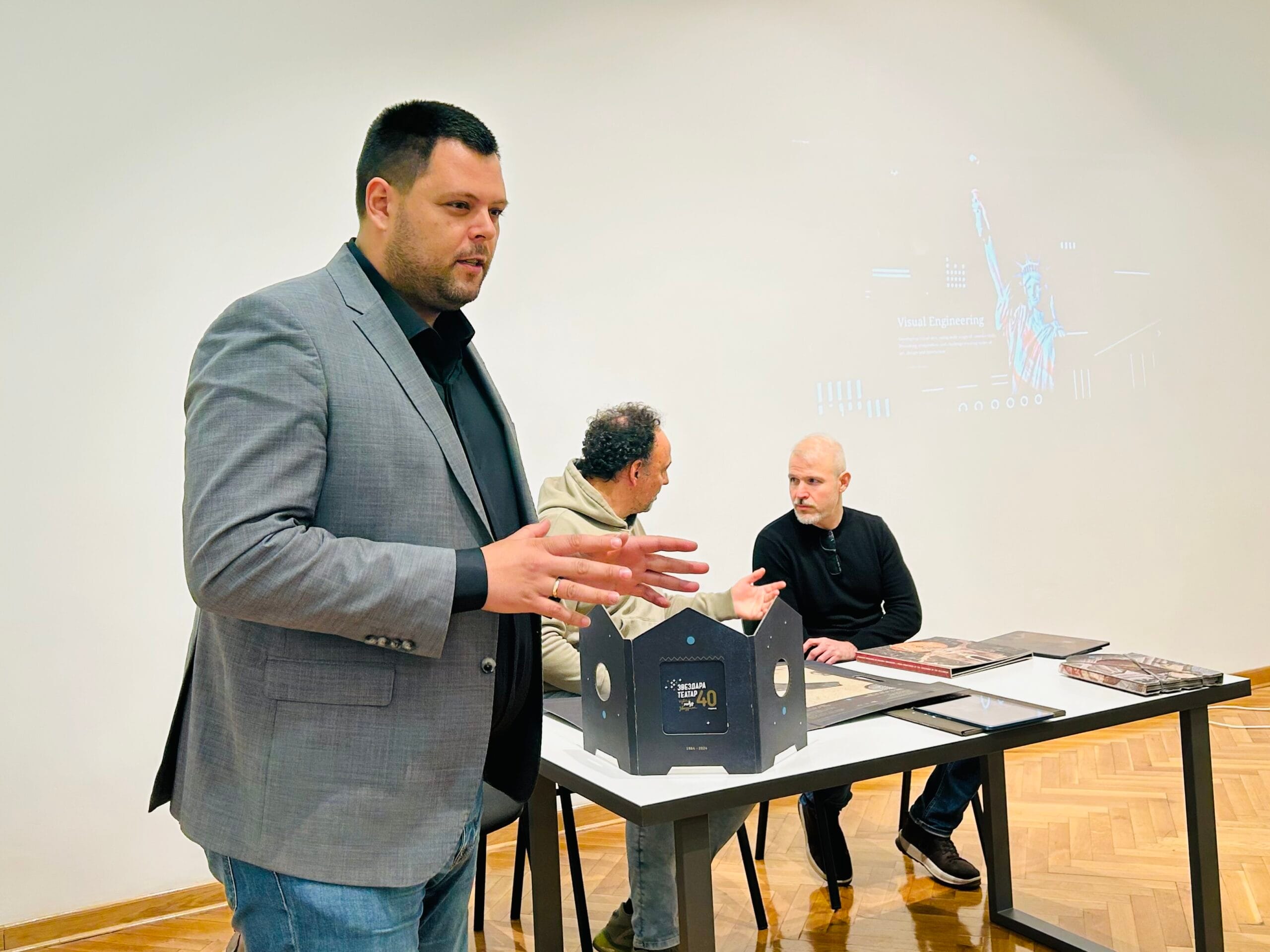
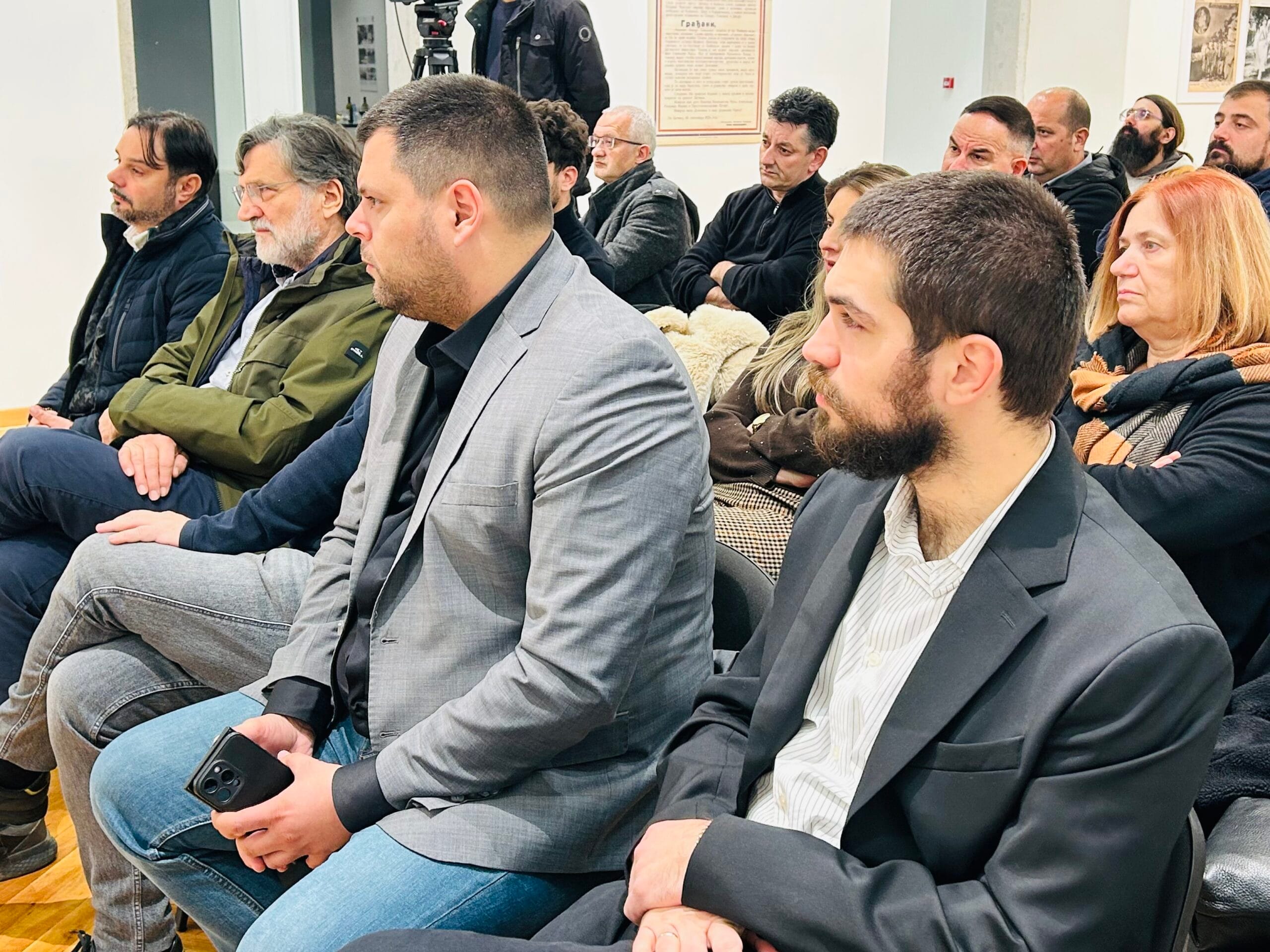
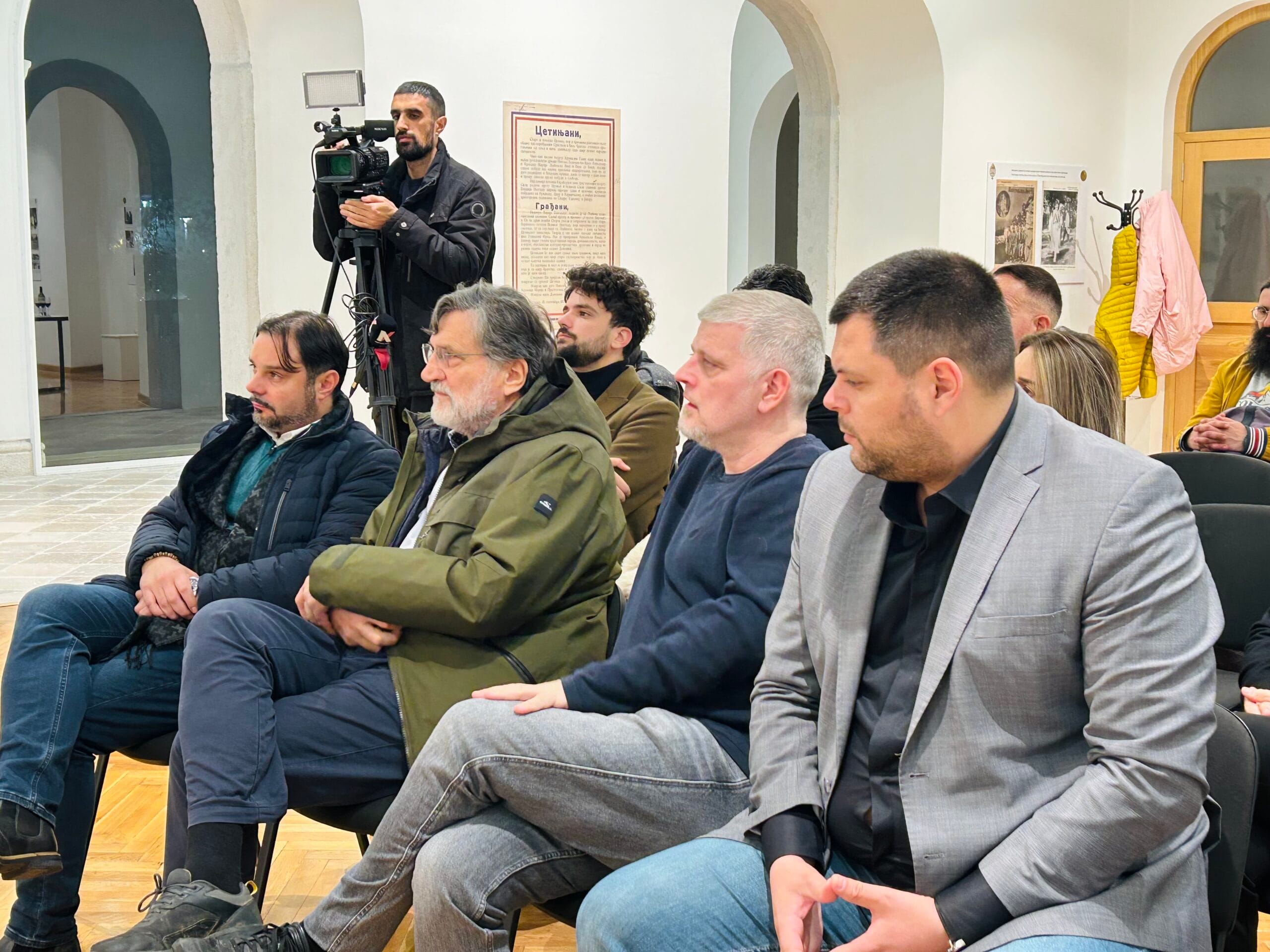
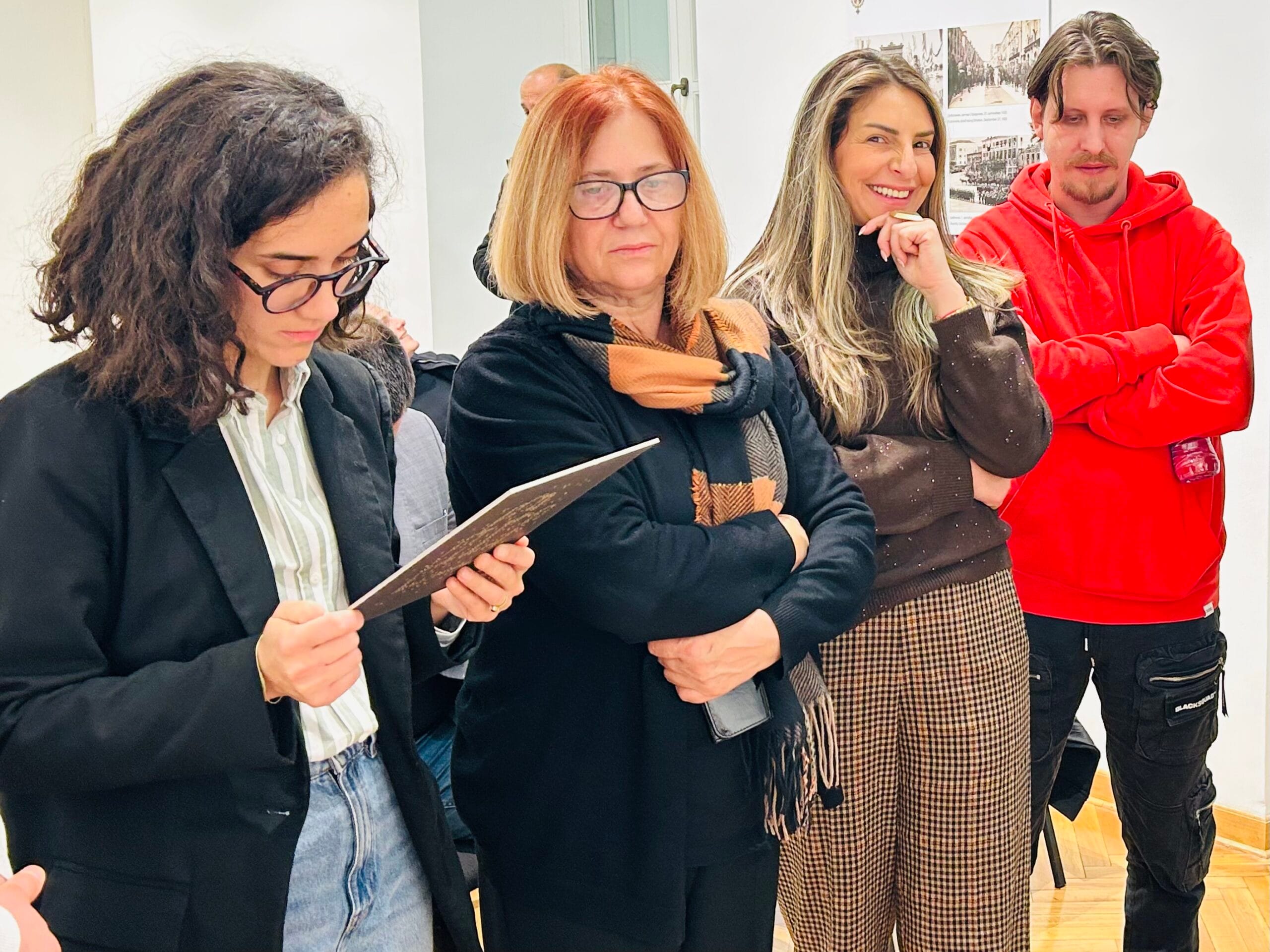
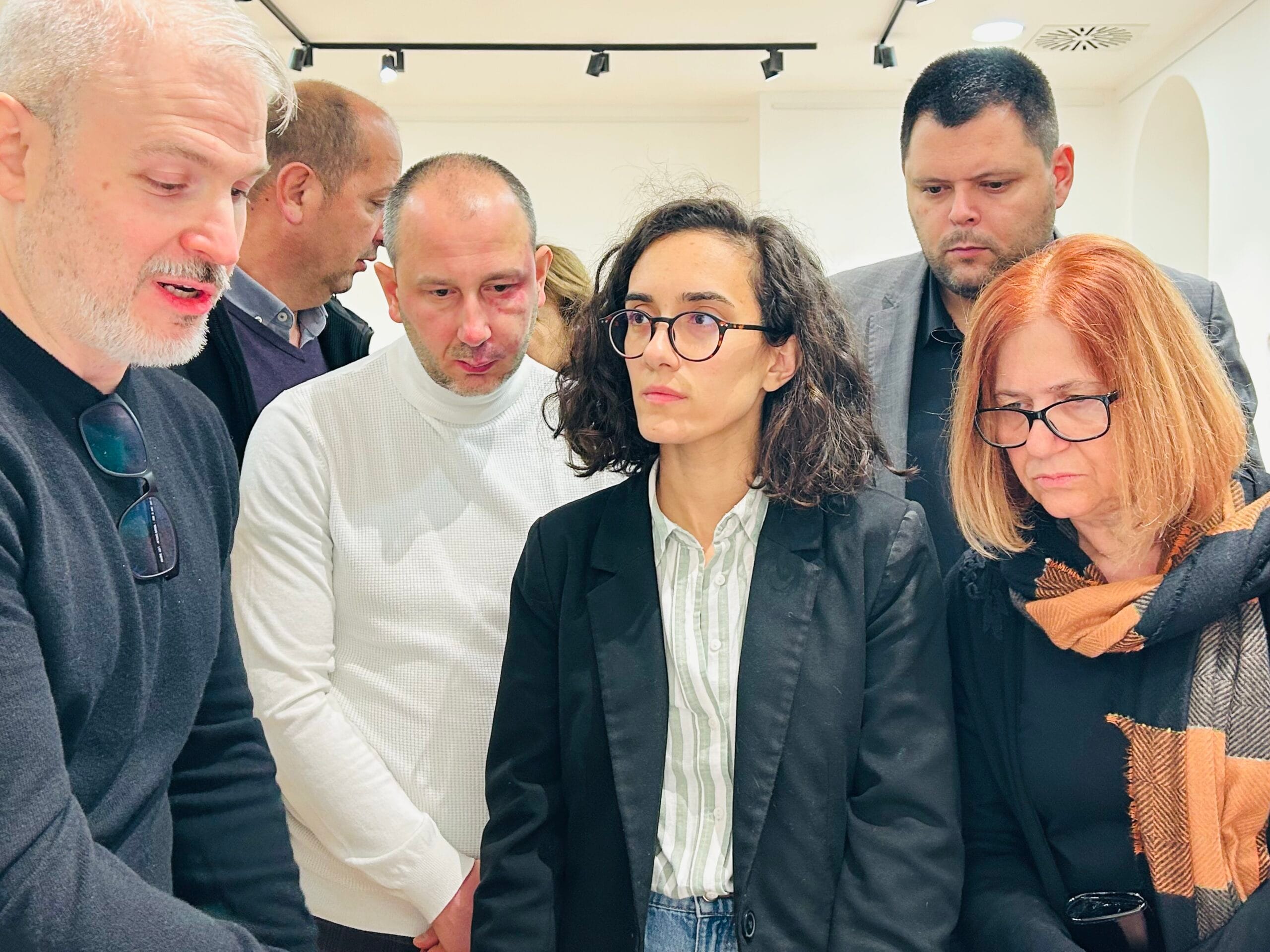
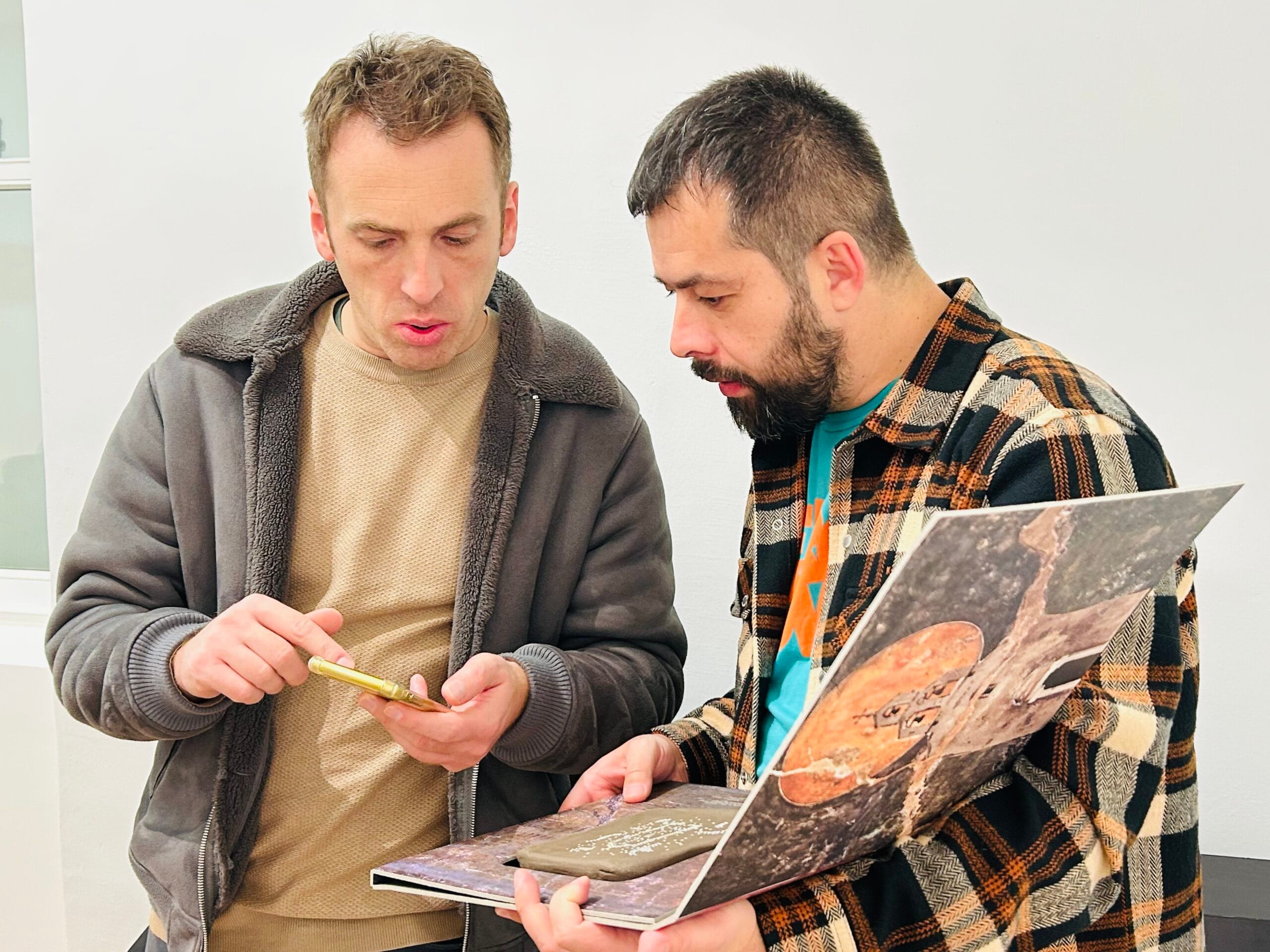
As part of the visit, a presentation on the digital presentation of historical sites was held last night at King Nikola’s Castle. At the very beginning of the presentation, the Mayor of Nikšić, Marko Kovačević, addressed the attendees, emphasizing the importance of developing VR technologies and digital methods for presenting cultural heritage, particularly in the context of preparing Nikšić for the European Capital of Culture 2030. He highlighted that modern digital tools enable innovative, more accessible, and globally visible presentations of the city’s historical sites and cultural identity. During the presentation, the representatives of Live View Studio introduced the audience to the technologies they use, the possibilities of virtual tours, and the benefits of the digital transformation of cultural heritage.
This visit is particularly significant as it contributes to enhancing cultural visibility and the modern presentation of Nikšić on its path toward becoming the European Capital of Culture 2030.