
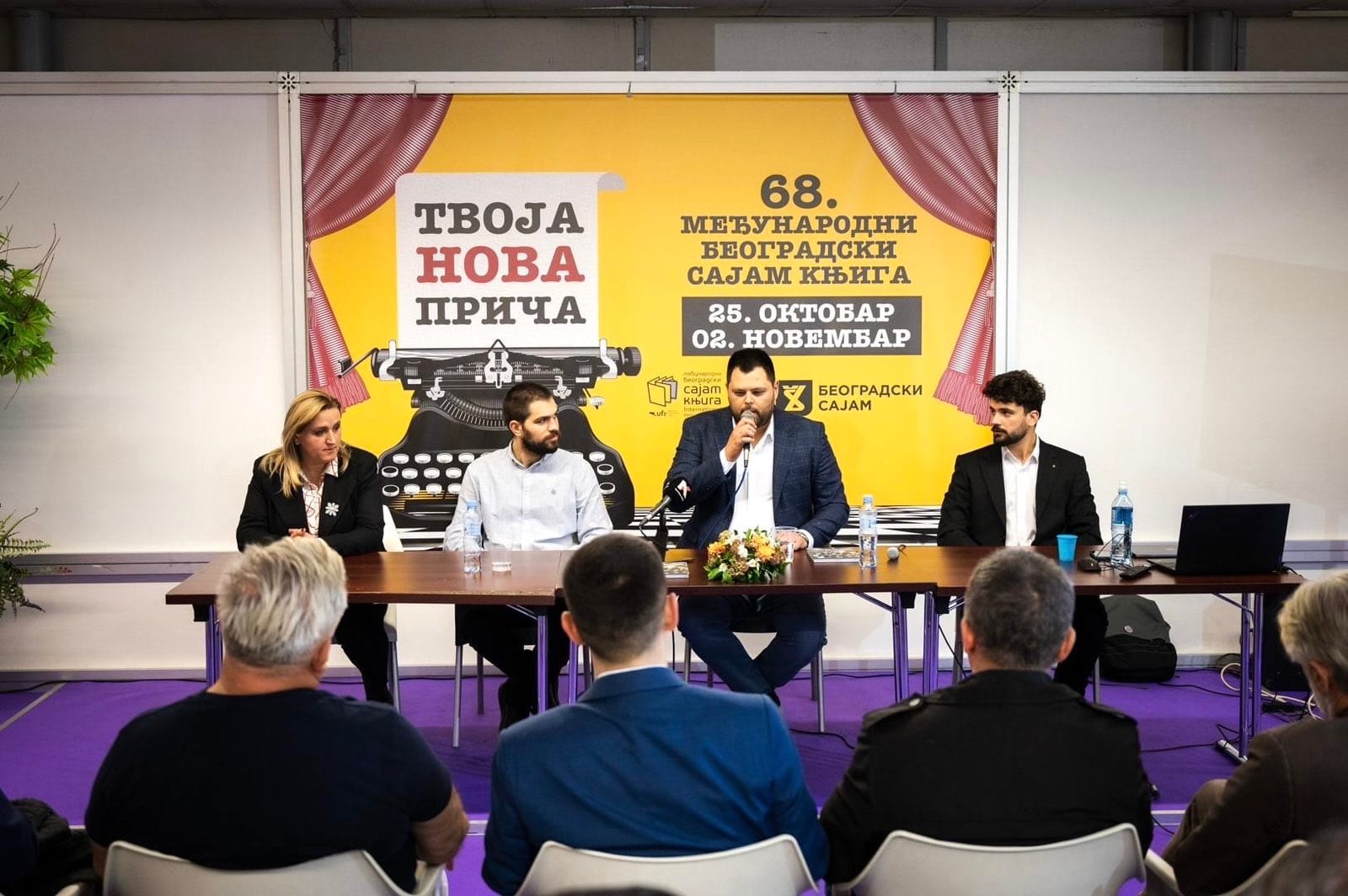
With a ceremonial presentation at the 68th International Belgrade Book Fair, in the “Vasko Popa” Hall, Nikšić officially marked for the first time the achievement of the prestigious title of European Capital of Culture for 2030.
The President of the Municipality of Nikšić, Marko Kovačević, emphasized that this moment holds special symbolism, as the idea of Nikšić’s candidacy was first launched at the Belgrade Book Fair two years ago.
“At this very place two years ago, we decided to begin the process of Nikšić’s candidacy for the European Capital of Culture. Two years later, we return here as the city that has won that title. This is the result of the work and energy of young people from Nikšić’s cultural scene, who have proven that our city has the strength to once again become the cultural center of Montenegro,” said Kovačević.
The President of the Municipal Assembly of Nikšić, Milica Lalatović Žižić, reminded that the local parliament unanimously supported the initiative for Nikšić to apply for this title, emphasizing her pride and gratitude to the team that led the process.
“All councilors in the Municipal Assembly supported this decision, and that was a great satisfaction for me as the president of the parliament. We went to Brussels full of positive energy and faith that this story would succeed — and it truly did. The greatest credit goes to the young team that carried all this through their work, enthusiasm, and belief in Nikšić,” said Lalatović Žižić.
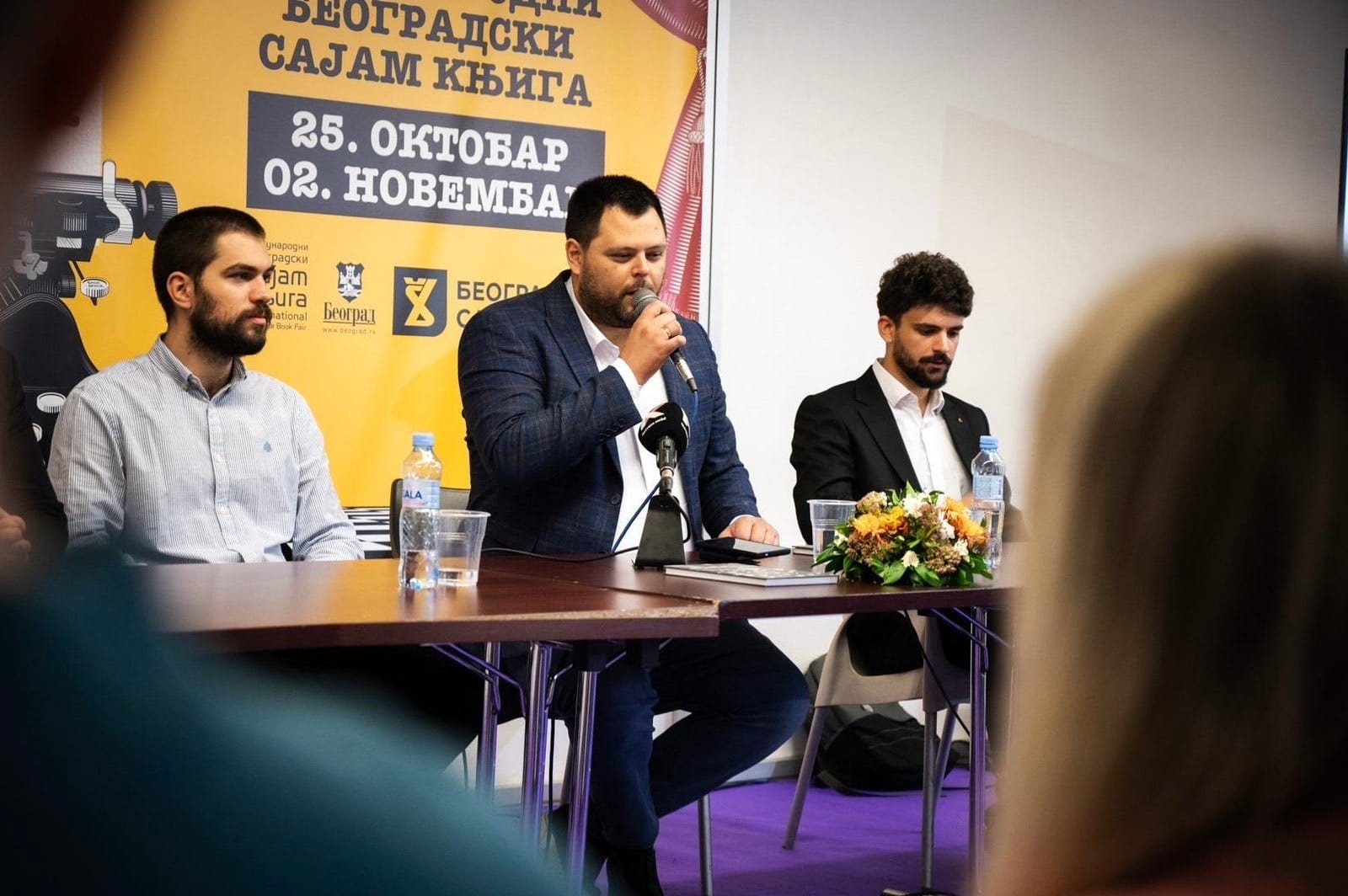
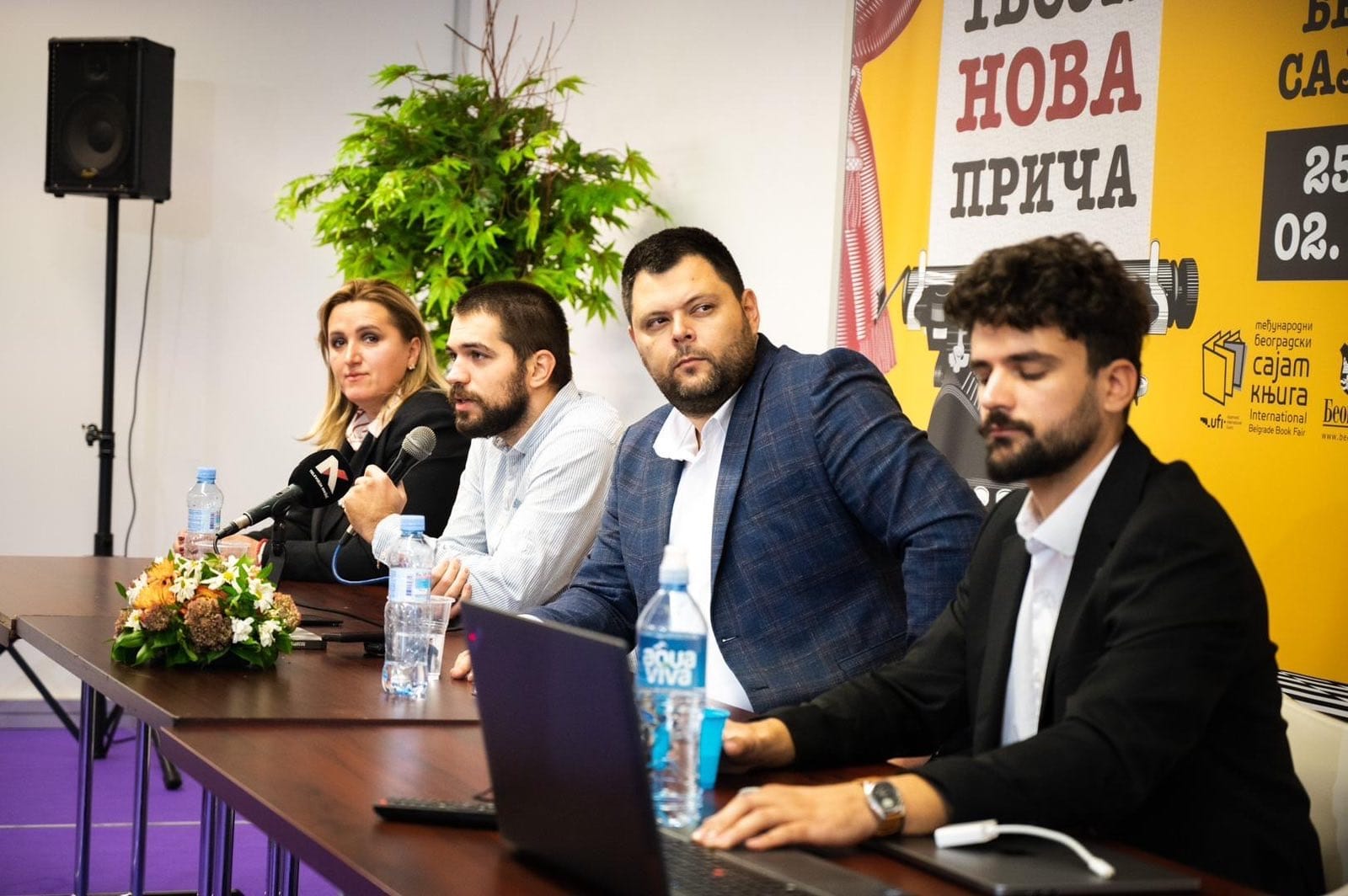
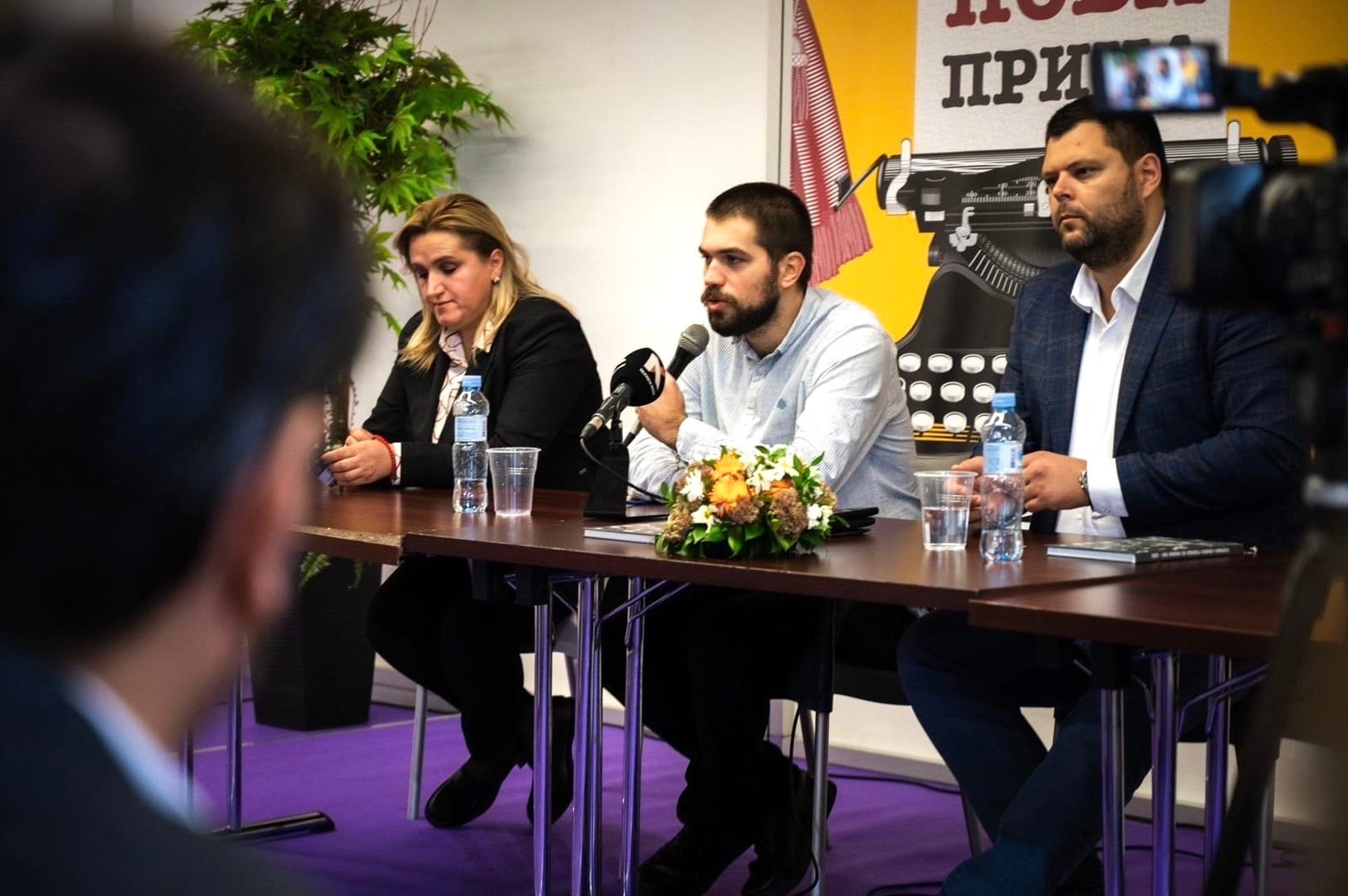
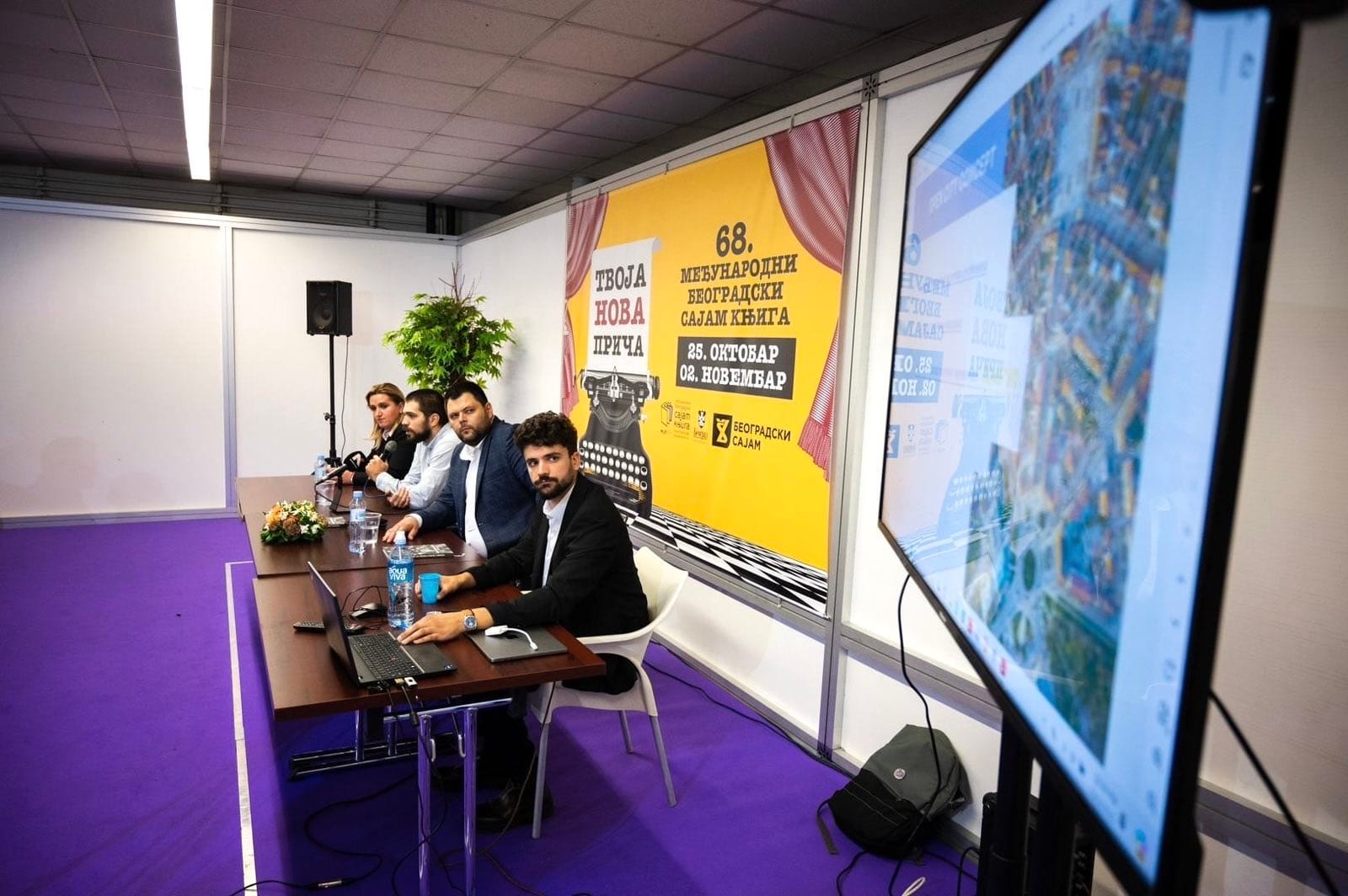
The project manager of the Office Nikšić — European Capital of Culture 2030, Mato Uljarević, stressed that the candidacy process brought concrete institutional results and laid new cultural foundations.
“We established the first Long – term Strategy in Nikšić and formed a platform for strategic planning of cultural policies. An initiative has also been launched to establish a special Secretariat for Culture, which will make Nikšić unique in Montenegro. In cooperation with the University of Montenegro, we will implement a ten-year project for cultural evaluation, running until 2035,” said Uljarević.
He concluded that Nikšić is increasingly becoming a center of cultural events in Montenegro and the region, just as it was throughout its rich history.
The operations manager of the Office Nikšić — European Capital of Culture 2030, Nemanja Popović, presented plans for new cultural infrastructure, including the completion of works on the Dom Revolucije (Home of the Revolution), the restoration of the cultural and historical complex near King Nikola’s Palace, the renovation of Bedem Fortress, and numerous other projects to be implemented over the next five years.