
What is ECOC?
What is European Capital of Culture initiative?
The foundation of what would later become the title European Capital of Culture was laid in 1985 by then-Greek Minister of Culture Melina Mercouri. That same year, Athens became the first city to hold the title, which was initially called the European City of Culture. The current name, European Capital of Culture, has been in use since 1999. The aim of this title is to highlight the cultural diversity of Europe and to bring attention to different communities across the continent, with a special focus on both our cultural similarities and differences. It also seeks to generate economic, political, and social benefits for the candidate cities and their countries, while encouraging mutual exchange and connection within the European Union. The title European Capital of Culture serves as a tool for placing culture and the arts at the heart of local and national priorities, as well as a platform for expressing a city’s identity.
How does a city become a European Capital of Culture?
Six years before the title year, countries whose cities intend to apply for this prestigious title publish a call for applications, usually through their Ministry of Culture. Cities wishing to participate must submit their proposals to the European Commission. Applications are reviewed based on established criteria during a pre-selection phase carried out by a panel of independent experts appointed by the European Commission. The panel then creates a shortlist of cities, inviting them to submit more detailed proposals (final application books). The panel meets again to evaluate the final submissions and recommends one city per country to receive the title. The recommended city is then officially designated as a European Capital of Culture.

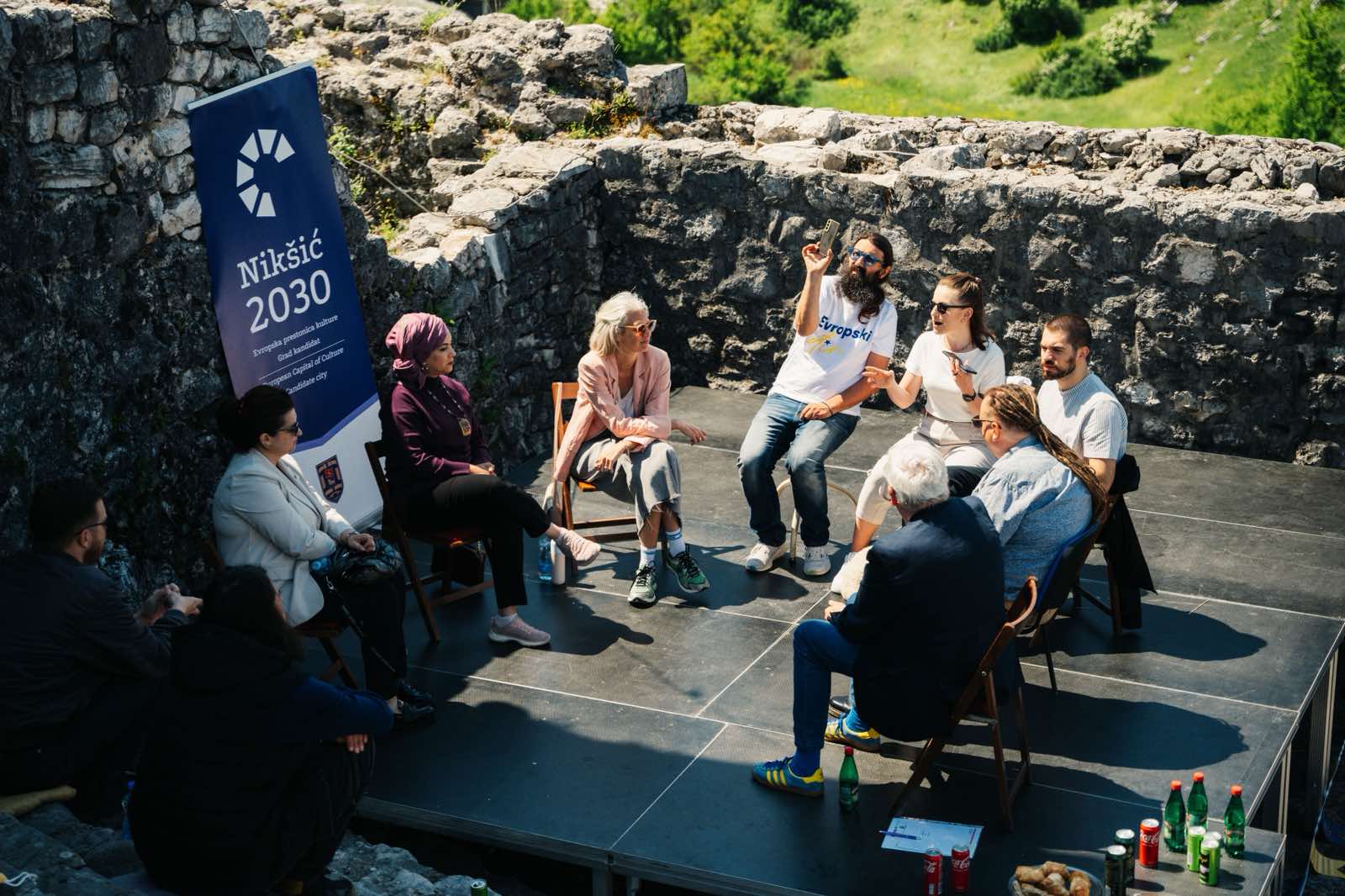
Common myths about European Capital of Culture
The title is an award given to cities for their cultural work.
In reality, the title is granted following a competitive selection process in which cities submit special cultural programs. These programs highlight their achievements, potential, as well as challenges they face. The winning city commits to implementing most of the projects outlined in their proposal.
The European Capital of Culture is a project focused solely on excellence in art and culture.
While artistic quality is important, the initiative has evolved significantly over the years and now carries a strong social dimension. It is focused on communities, minorities, and civic engagement. Art and culture are powerful tools for promoting inclusion and improving the social fabric of cities. In addition to delivering high-quality content, the project aims to engage as many citizens as possible in cultural life.
The project is funded by the European Union.
The European Capital of Culture is not directly funded by the EU. It is primarily financed by the host city and its national government, although certain EU funds may support specific aspects.
The main goal of the European Capital of Culture is to increase tourism.
Although increased tourism is often one of the effects, it is not the primary goal. Many cities that have held the title were already established tourist destinations. The initiative gives them a chance to expand and diversify the reasons tourists visit, focusing on deeper cultural experiences and sustainable development.